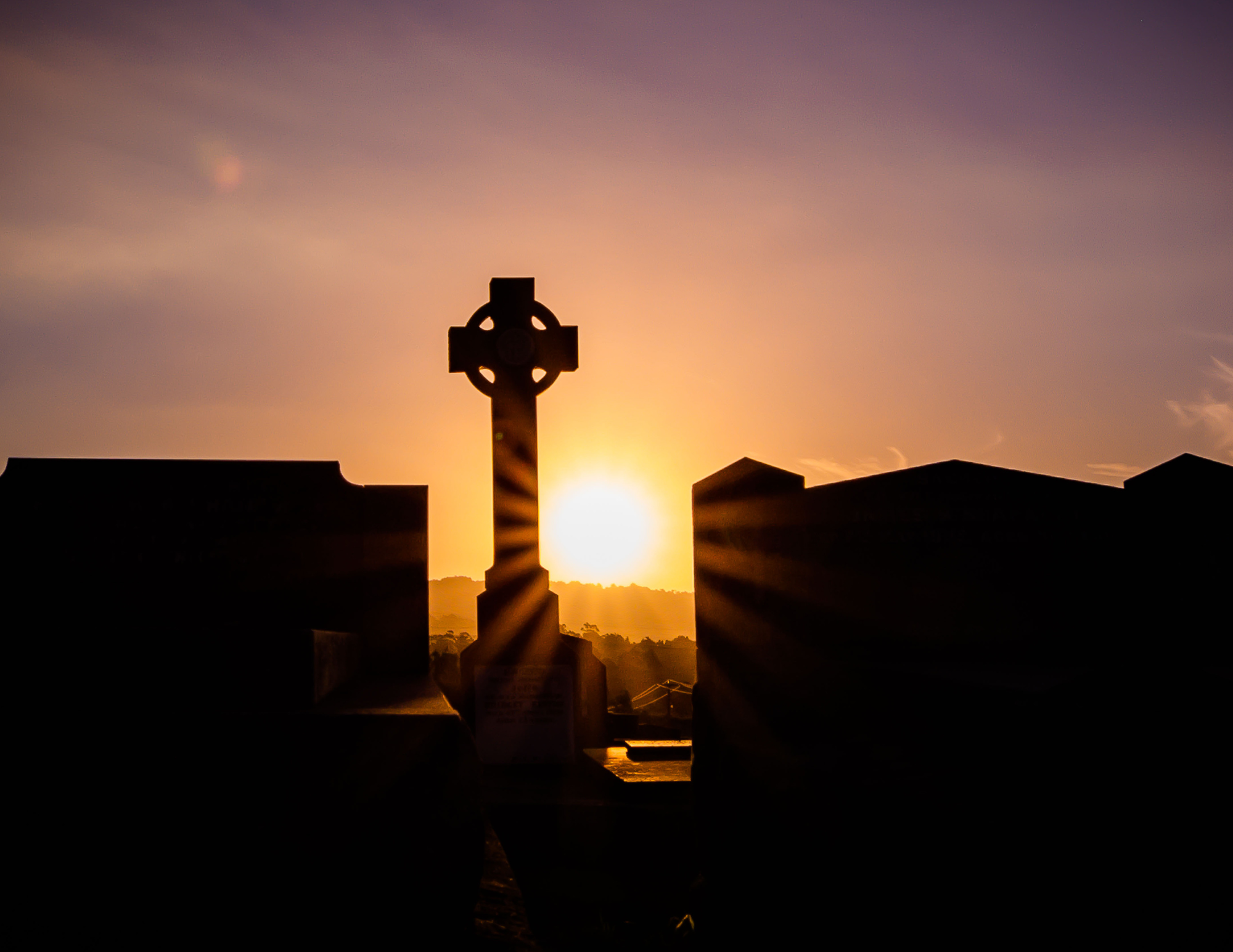
The History of Halloween

In AD 609, His Holiness, Pope Boniface, dedicated the Pantheon in Rome to honor Christian Martyrs, including Jesus Christ, the son of God, who died horribly on the cross, as most all of modern humanity knows, so that “the sins of mankind might be forgiven.” The Pope declared All Martyrs’ Day an official Christian holiday, and the night before, or the “Eve” of All Martyr’s Day, became ‘All Hallows Eve,’ or Halloween.
Christian Martyrs were courageous, enlightened men, who fought for righteousness early in the days of Christianity. They gave their lives to spread the word of God. Celebrated for their dedication to faith, and steadfastness in the face of adversity, they often, unfortunately, died gruesome deaths in their unwavering efforts to bring God’s Light to what was then a dark world. Their deaths marked the ‘darkness before the dawn’ of modern Christendom. Their efforts served millions.
Saint Bartholomew, by way of example, one of the 12 Apostles of Christ, was flayed alive by Astyages, a Pagan Armenian King, for spreading the Christian faith, in an effort to stamp out Christianity altogether. Rather than allow Christianity to fail, the Church named him Patron Saint of Butchers, Tanners, and those with Skin Diseases, and Saint Bartholomew has been invoked every since by millions for help and healing, and has thus inspired millions across all of Christendom to acts of kindness and caring.
Pope Gregory III later declared it appropriate to celebrate All Hallows Eve with giant bonfires, parades, and costumes so as to remember for all time the sacrifices that were made to bring Christianity and Light to the modern world. He declared it appropriate also to include Christian Saints in the honorarium, and the battles they fought against The Devil (alongside God’s angels, including the Angel Gabriel, who has been called by many names, among them: Van Helsing).
When Fall is in full swing, blessed by God, founded by Christians of good nature and historic strength, America celebrates Halloween, year after year. Families come together religiously to ‘trick-or-treat,’ have bonfires, costume parties, cider, and do their part to celebrate the dark days Christian martyrs endured and the battles Christian Saints fought to bring to full bloom the dawn of Christianity, and eventually the dawn of America, and the modern world.

The Waterfield America Foundation History Series
www.waterfield.com