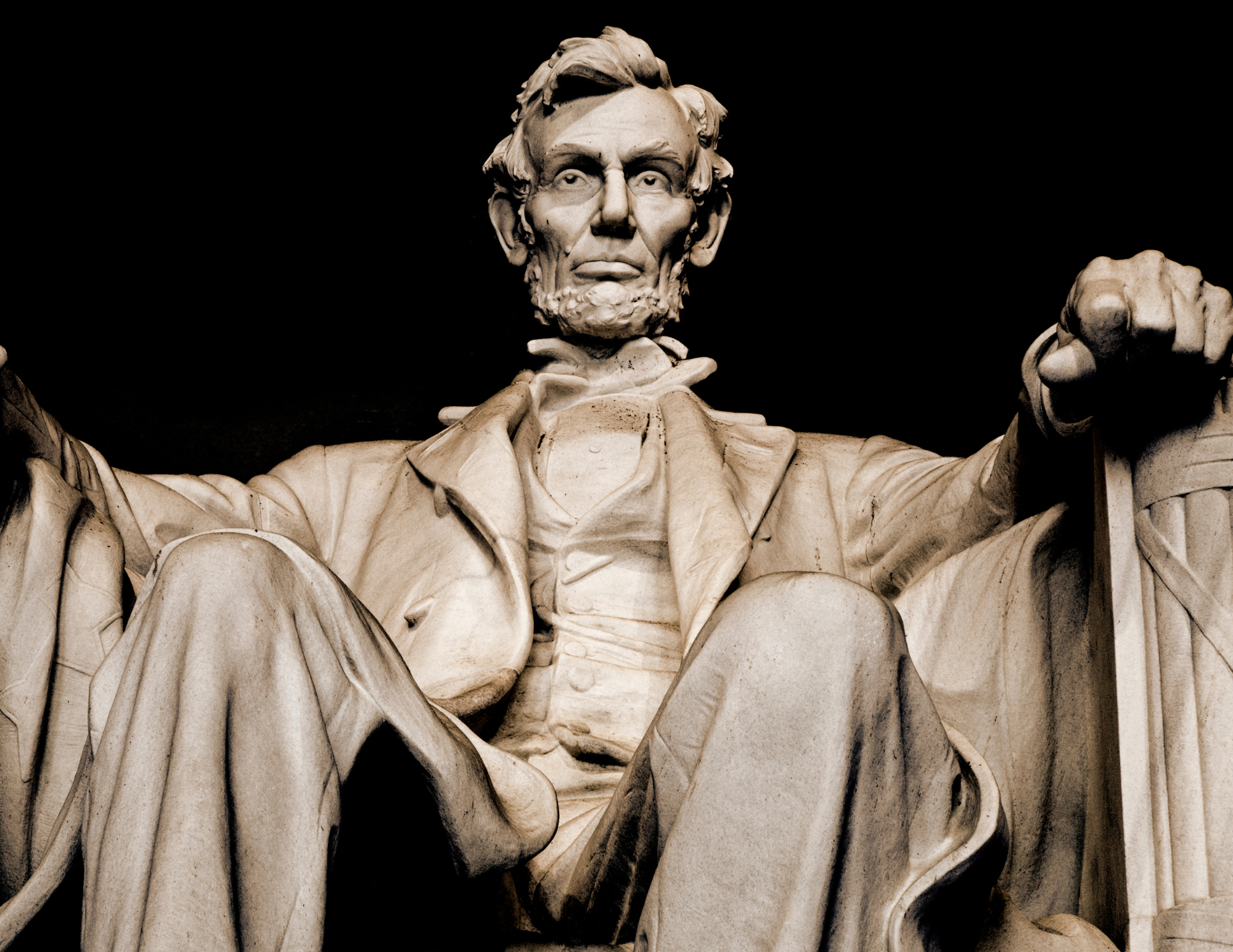
Lincoln: An Indiana Boy in Truth

President Abraham Lincoln was an Indiana boy, raised during his formative years (ages 7 to 21) entirely in Indiana. He grew up in a one room log cabin in Southern Indiana, wild at the time, with bears and black panthers out his door, in Spencer County, Indiana, near the town of Little Pigeon Creek. The site is now part of the Lincoln Boyhood National Memorial. Raised in a frontier environment, Lincoln’s early life was shaped by hard labor, self education, and a solid Christian upbringing. His parents, Thomas and Nancy Lincoln, were members of a Christian church, and raised their son as such. Lincoln’s religious foundation in Indiana, of course, significantly influenced his moral framework, which later informed his views on slavery.
In Indiana, Lincoln grew up attending church services at the Little Pigeon Creek Christian Church, where sermons often emphasized biblical teachings on justice. His exposure to Christian principles—particularly the idea that all men are created in God’s image—left a lasting imprint. He frequently read the Bible. Its language and moral themes permeated his speeches and writings. As a young man, Lincoln encountered anti-slavery sentiments among some Chrisitan preachers in Indiana, who viewed slavery as a sin, reinforcing his early discomfort with slavery.
Lincoln’s path to freeing the slaves was gradual, shaped by the lessons he learned as a Hoosier boy. After moving to Illinois in 1830, at 21 years of age, he entered politics, serving in the state legislature and later as a U.S. congressman. He joined the Republican Party, which opposed slavery. Democrats were in favor of slavery. His debates with Stephen Douglas, a Democrat advocating for slavery, in 1858, and his “House Divided” speech highlighted his belief that slavery was morally wrong, a conviction rooted in the Christian ethics of his Indiana youth.
Elected president in 1860, Lincoln faced the Civil War as Southern states seceded to preserve slavery. Initially, he prioritized preserving the Union, but his moral stance against slavery, rooted by his Indiana and Christian upbringing, became central to his leadership. By 1862, Lincoln viewed the war as a divine judgment on the nation for the sin of slavery, a perspective evident in his private writings and later in his Second Inaugural Address. On January 1, 1863, he issued the Emancipation Proclamation, freeing slaves in Confederate territories, a decision he saw as a moral imperative. This act transformed the war into a crusade for freedom, aligning with the biblical principles of justice and equality he absorbed in Indiana. The Thirteenth Amendment, abolishing slavery nationwide, was passed January 31, 1865, shortly before Lincoln’s assassination on April 14, 1865. The last slave in America was officially freed in Galveston, Texas on June 19th, 1865. The boy from Indiana had freed the slaves.
Lincoln’s Christian upbringing in Indiana provided a moral compass that guided him toward emancipation. His exposure to Christian teachings on human dignity and sin, combined with his brilliant mind, shaped his belief that slavery was incompatible with the nation’s founding ideals and divine will. This foundation, coupled with his political evolution, led him to become the “Great Emancipator,” fulfilling a moral vision, rooted in Christ’s teachings, that traced back to his Indiana frontier childhood. Today, Indiana continues on as one of the greatest places in the world to raise a family, and the Hoosier state, through Christian teachings and traditional American values, continues to grow young American leaders.
Because Abe Lincoln was born February 12, 1809, Americans often celebrate his birthday on President's Day alongside George Washington.

The Waterfield America Foundation History Series
www.waterfield.com