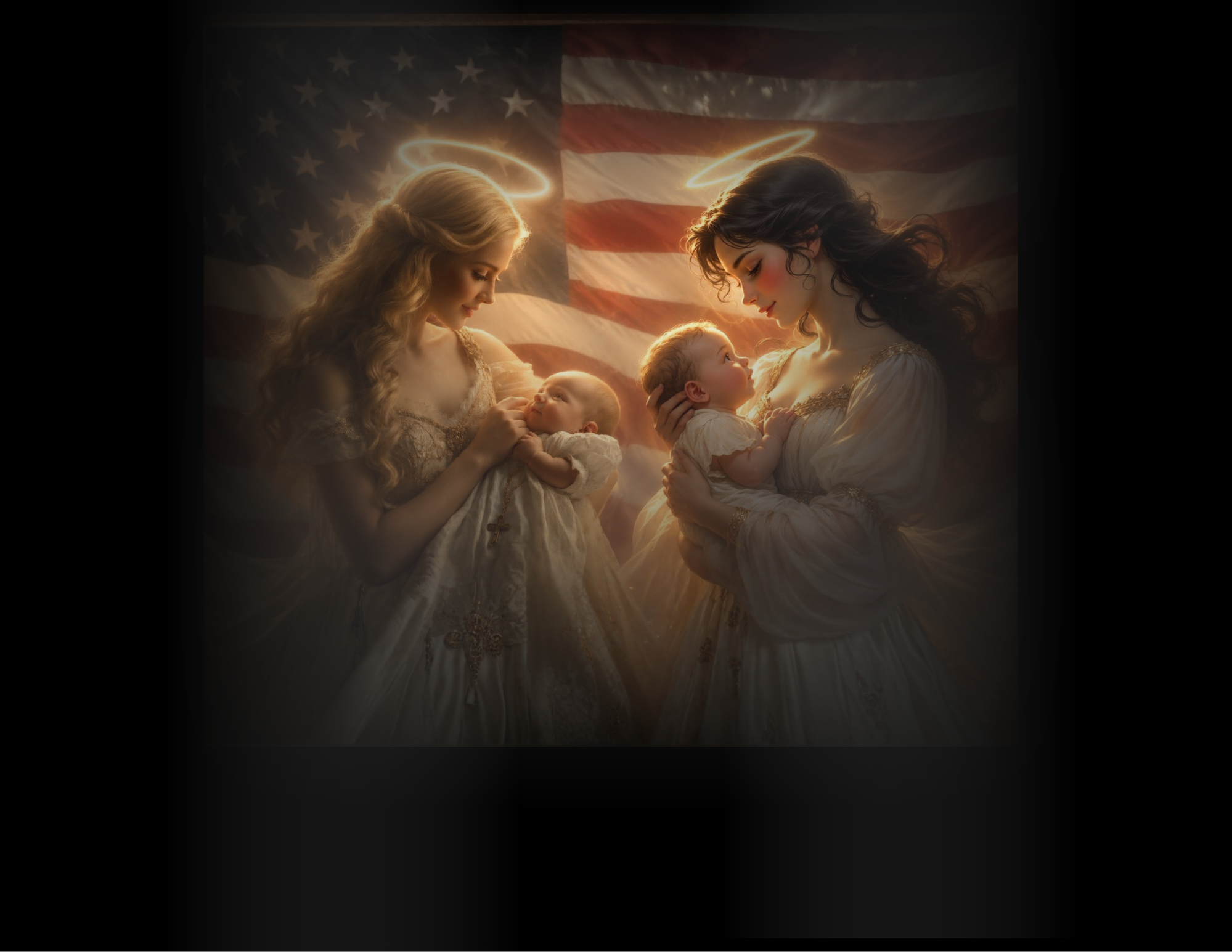
The History of Mother’s Day
Mother's Day has deep roots in Christianity. Christ taught through Exodus 20:12: “Honor thy father and mother" and the Mother Mary, sacred in her role, glorified motherhood in a way that shaped all of Christendom. These principles have long shaped American civilization, providing the moral foundation for family life, community service, education, and charity.
In medieval Europe, a precursor emerged with “Mothering Sunday”, observed on the fourth Sunday of Lent. This Christian tradition encouraged the faithful to return to their "mother church"—the parish of their baptism—for worship and reunion. Over time, it evolved into a day of appreciating earthly mothers, often with simple gifts like flowers or simnel cake, blending reverence for the Church as a spiritual mother with familial honor. This observance, tied to Lent's themes of repentance, joy, and return, underscored Christianity's emphasis on family bonds and ecclesiastical community.
The modern American Mother's Day, celebrated on the second Sunday in May, has distinctly Christian origins. It was founded by Anna Jarvis (1864–1948), a devout Christian who sought to honor her mother, Ann Reeves Jarvis (1832–1905). Ann, a pious activist, had organized "Mothers' Work Days" in the 1850s to promote health amid Civil War-era hardships, and she prayed in Sunday school lessons for a day to commemorate mothers' "matchless service" to humanity. Inspired by this, Anna launched her campaign after her mother's death in 1905. The first official observance occurred on May 10, 1908, at Andrews Methodist Episcopal Church in Grafton, West Virginia—a service of worship, gratitude, and white carnations (symbolizing purity and her mother's favorite flower). Anna envisioned it as a heartfelt, church-centered tribute to mothers' sacrifices, not a commercial event.
Christianity was pivotal in its spread: Anna lobbied clergy, politicians, and organizations, gaining support from churches nationwide. By 1914, President Woodrow Wilson proclaimed it a national holiday, reflecting an American culture that valued biblical commandments and maternal virtue. Many early celebrations involved church services and sermons on motherhood and community gatherings—mirroring how Christian faith historically reinforced family as the bedrock of society.
From medieval Mothering Sunday to Anna Jarvis's church-initiated observance, Christianity provided the theological and cultural framework for honoring mothers—reinforcing the family unit as essential to America’s flourishing.
We at Waterfield hope all mothers feel happy, safe, and loved this Mother’s Day!

The Waterfield America Foundation History Series
www.waterfield.com