The True Christian History of Memorial Day

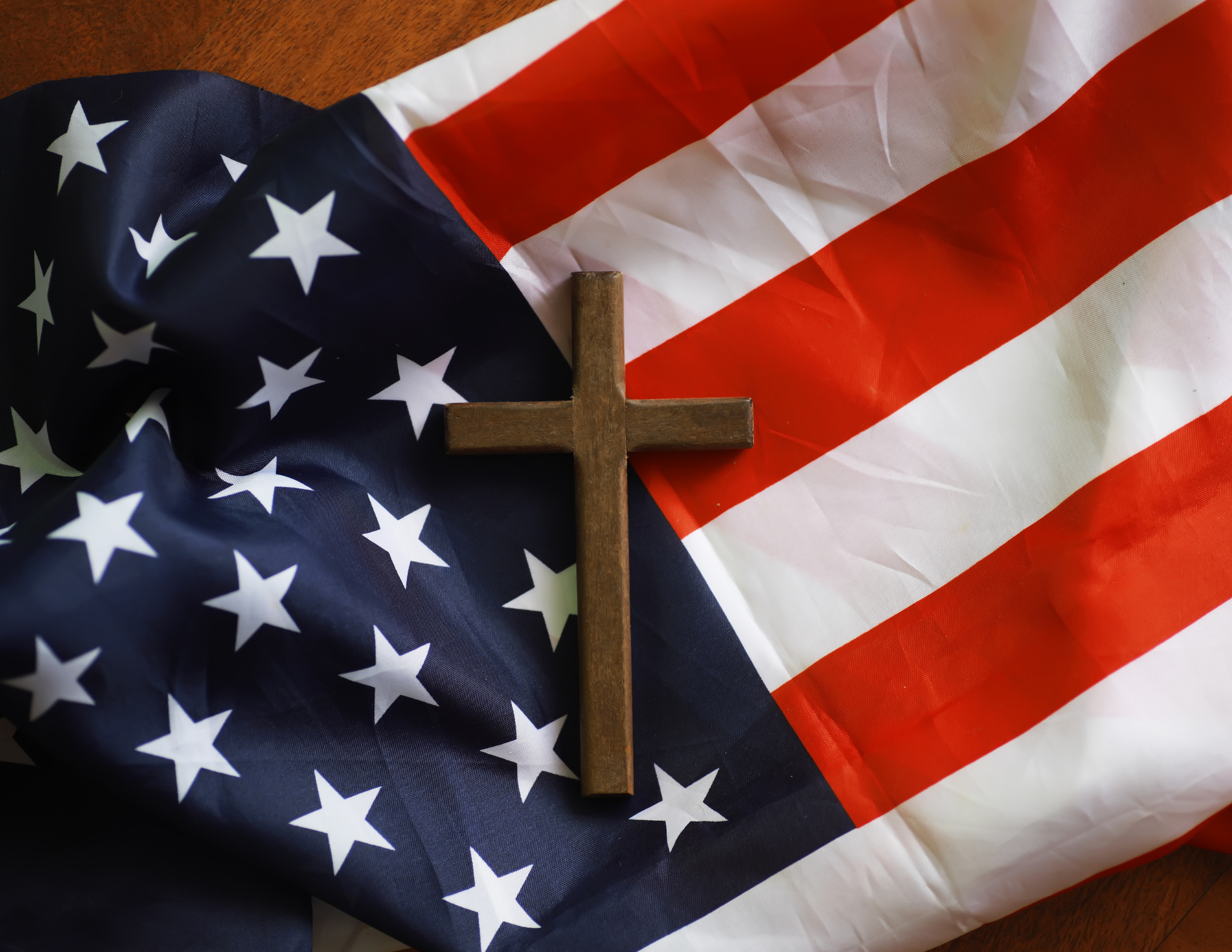
Memorial Day, observed annually on the last Monday of May, holds profound significance in the United States as a day of honor and remembrance. It transcends barbecues and sales, rooting itself in the profound gratitude owed to those who died for our nation’s freedom. Beyond its deep root in patriotism, Memorial Day holds spiritual weight in the Christian faith through themes of peace and sacrifice.
Memorial Day is a solemn tribute to the countless individuals who gave their lives to defend the United States and its ideals of freedom, democracy, and justice. Established in the aftermath of the Civil War, the holiday was formalized to commemorate the soldiers who perished in the brutal conflict. According to the U.S. Department of Veterans Affairs, General John A. Logan, leader of an organization for Northern Civil War veterans, called for a nationwide day of remembrance on May 30, 1868, that involved decorating the graves of these fallen soldiers with flowers, a practice that symbolized respect and gratitude. Over time, the holiday expanded to honor all American service members who died in any war, reflecting the nation’s enduring commitment to its heroes.
The patriotic and spiritual essence of Memorial Day lies in recognizing the ultimate sacrifice made by those who believed in something greater than themselves. As President Ronald Reagan articulated in his 1982 Memorial Day speech at Arlington National Cemetery, “The United States and the freedom for which it stands, the freedom for which they died, must endure and prosper. Their lives remind us that freedom is not bought cheaply.” This sentiment underscores the civic duty to remember not just the loss, but the purpose behind it: the preservation of a nation founded on liberty and opportunity. Memorializing those who have sacrificed resonates deeply with themes of love and eternal life found in many faith traditions. In fact, the holiday aligns with the biblical principle of laying down one’s life for others, as expressed in John
15:13: “Greater love has no one than this: to lay down one’s life for one’s friends”. This verse is often cited in Memorial Day sermons to draw a parallel between the sacrifice of soldiers and the ultimate sacrifice of Jesus Christ, who gave his life for humanity’s salvation. The Catholic Church, for instance, often incorporates prayers for the fallen during Memorial Day Masses, emphasizing the sanctity of their selflessness. The United States Conference of Catholic Bishops provides a special prayer, asking God to “grant peace to the souls of our departed veterans” and to inspire the living to work for justice and peace.
The intersection of patriotism and religion on Memorial Day lies in the shared theme of sacrifice for a greater good. Both perspectives call for remembrance not as an end in itself, but as a catalyst for action. This means upholding the values of freedom and democracy through civic engagement and support for veterans and their families–but also living out virtues of love, compassion, and justice throughout daily life. This sentiment encourages Americans to see Memorial Day as both a national and spiritual call to live purposefully, ensuring the sacrifices of the fallen were not in vain. Ceremonies at cemeteries, memorials, and veterans’ sites across the country—often marked by the placing of flags, wreaths, and moments of silence—reinforce this collective gratitude.
Together, these perspectives remind us that Memorial Day is not just about looking back, but about moving forward with purpose, ensuring that the legacy of the fallen endures in a nation and world striving for peace and justice.
We at Waterfield remember and honor the brave men and women who made the ultimate sacrifice for our freedom. Let us never forget their courage and dedication.

The Waterfield America Foundation History Series
www.waterfield.com